
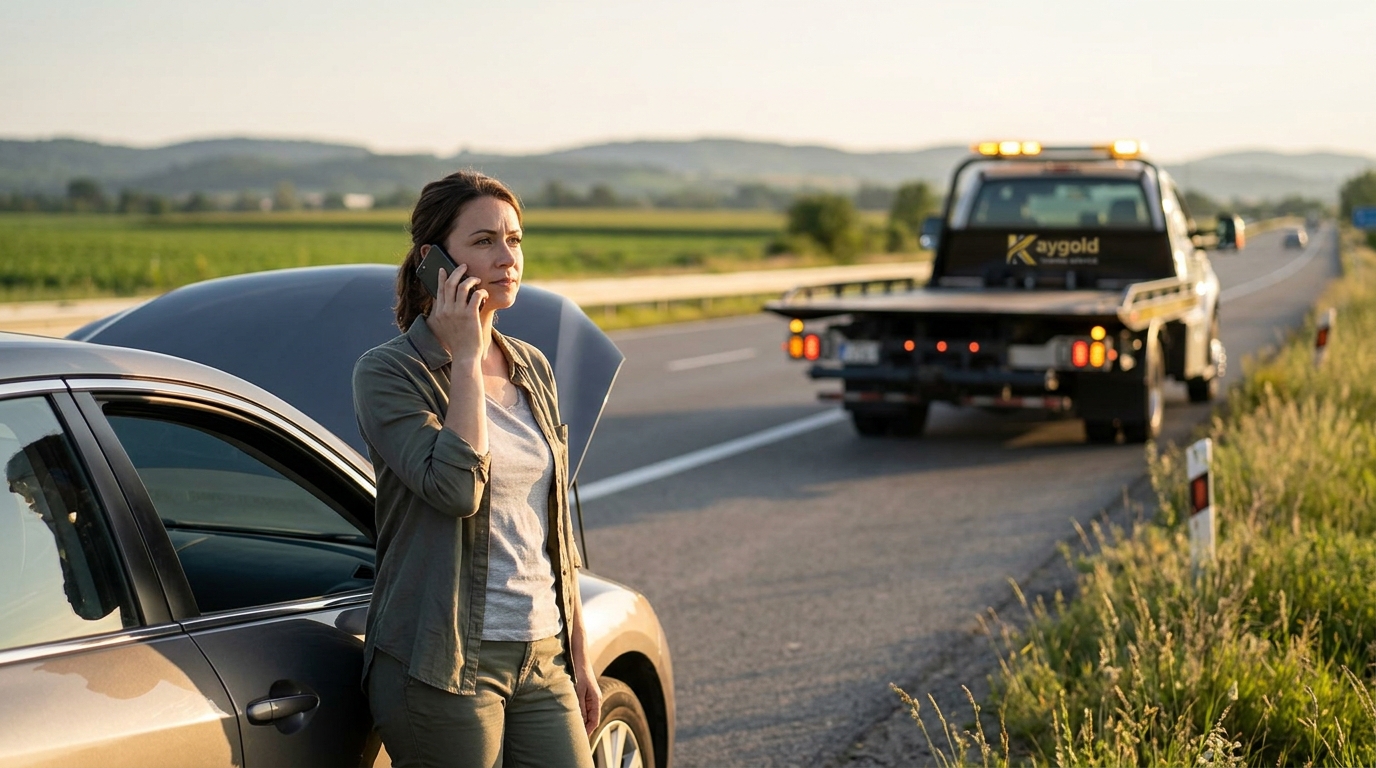
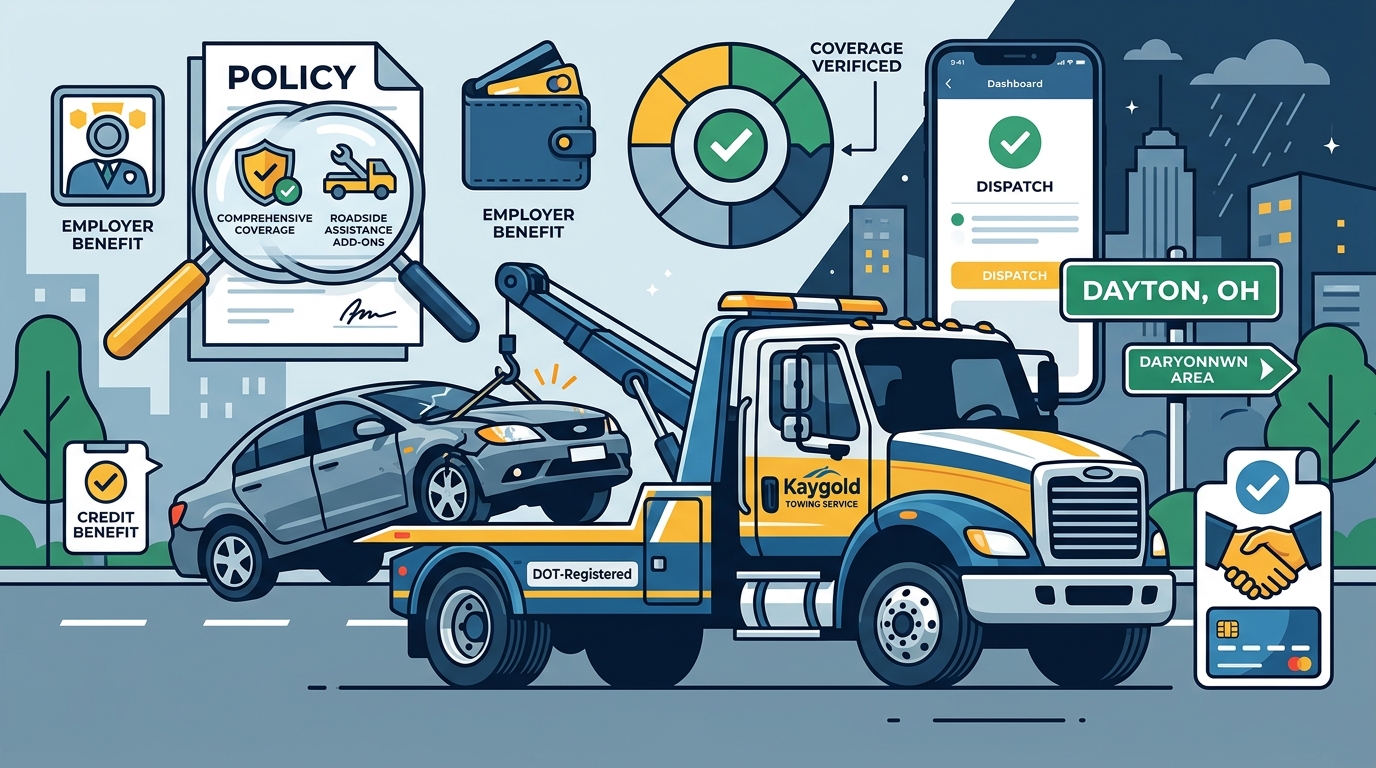
Most standard auto insurance policies do not automatically cover towing costs unless you have specific add-ons like roadside assistance or comprehensive coverage for certain events. However, many drivers qualify for free or discounted towing through their policy, employer, or credit card benefits. This guide explains exactly how to check your coverage, what to ask your insurer, and how to handle the process with a local provider like Kaygold Towing Service in Dayton, Ohio. For additional details, review the .
How to Choose a Towing Provider
Choosing the right towing company is critical when your vehicle is immobilized. A good provider prioritizes safety, transparency, and speed. A bad provider may use aggressive upselling tactics or lack proper licensing. When evaluating a service, look for clear communication channels and verified operational status.
Key Differentiators
Reliability is the primary metric. You want a company that answers the phone and dispatches a truck quickly. In the Dayton area, Kaygold Towing Service operates as a DOT-registered, owner-operated business. This means when you call, you speak directly to the person driving the truck. This direct line of communication reduces the risk of miscommunication during an emergency.
Another differentiator is the type of equipment used. Not all trucks are the same. A flatbed tow is generally safer for modern vehicles with low ground clearance or all-wheel drive systems compared to a wheel-lift tow. Ensure the provider you choose has the appropriate equipment for your specific vehicle type.
What to Ask Before Committing
Before you agree to a tow, you must clarify the financial and logistical details. Ambiguity at this stage leads to disputes later. You should ask specific questions to ensure you understand the scope of the service.
Essential Questions
How to Verify Credentials
Verifying a towing company's credentials protects you from scams and ensures legal compliance. In Ohio, towing operators must adhere to state regulations. You can verify a company's status by checking their DOT registration and local business licenses.
Verification Steps
Check the Federal Motor Carrier Safety Administration (FMCSA) database for interstate carriers. For intrastate operations within Ohio, check the Ohio Department of Transportation (ODOT) records. A legitimate company will provide their DOT number or state license number upon request. If a company refuses to provide this information, do not use their services. Additionally, verify that the company is insured. Liability insurance protects you if the tow truck causes damage to your vehicle or property during the operation.
How the Towing Process Works
Understanding the sequence of events helps you manage expectations and reduce stress. The process generally follows a standard workflow from initial contact to vehicle delivery.
Step-by-Step Workflow
1. Dispatch: You call the provider and provide your location, vehicle details, and the nature of the issue. 2. ETA: The dispatcher provides an estimated time of arrival. 3. Arrival and Assessment: The driver arrives, assesses the vehicle, and confirms the tow plan. 4. Securing: The vehicle is secured onto the truck using appropriate equipment. 5. Transport: The vehicle is transported to the designated location. 6. Delivery and Payment: The vehicle is unloaded, and payment is processed or billed to insurance.
The entire process typically takes between 30 to 90 minutes, depending on traffic and distance. In urban areas like Dayton, response times may be faster due to higher truck density.
What Towing Costs and Price Drivers
Towing costs are not fixed. They vary based on several factors. Understanding these drivers helps you anticipate the final bill and check if your insurance covers it.
Cost Components
Base Fee: The initial charge for dispatching the truck. Mileage Rate: A per-mile charge for transporting the vehicle. After-Hours Surcharge: An additional fee for service during nights, weekends, or holidays. Special Equipment: A fee for using a flatbed or heavy-duty equipment. Storage Fees: If the vehicle is impounded or held at a lot, daily storage fees apply.
Insurance coverage often has a cap. For example, a roadside assistance plan might cover the first 5 miles free, but charge a per-mile rate for additional distance. Always confirm the cap with your insurer.
Common Mistakes to Avoid
Drivers often make errors that complicate the towing process or increase costs. Avoiding these mistakes ensures a smoother experience.
Top Mistakes
1. Not Checking Coverage: Assuming your insurance covers the tow without verifying the specific terms. 2. Accepting Verbal Estimates: Relying on a verbal quote instead of getting a written estimate. 3. Ignoring Vehicle Damage: Failing to document pre-existing damage before the tow. 4. Choosing the Cheapest Option: Selecting a provider based solely on price without considering safety or licensing. 5. Not Confirming Destination: Allowing the driver to choose the tow destination without your approval.
Towing vs. Alternatives
Towing is not always the only option. Depending on the situation, other solutions may be more appropriate or cost-effective.
Comparison of Options
| Option | Best For | Cost | Insurance Coverage |
|---|---|---|---|
| Emergency Towing | Accidents, major breakdowns | High | Often covered by comprehensive or roadside plans |
| Roadside Assistance | Dead batteries, lockouts, minor issues | Low to Moderate | Frequently included in auto policies |
| Self-Service | Flat tires, minor fluid leaks | Low (parts only) | Not applicable |
For minor issues like a dead battery, roadside assistance is usually sufficient. For major mechanical failures or accidents, emergency towing is required. Your insurance coverage will differ significantly between these two scenarios.
Coverage for Specific Situations
Insurance coverage for towing depends heavily on the specific situation. The same policy may cover one scenario but not another.
Scenario Analysis
Accident: If you are at fault, your liability insurance may cover the tow for the other party's vehicle. Your own vehicle's tow may be covered by comprehensive or collision coverage, depending on the policy terms. Breakdown: Standard auto insurance typically does not cover towing for mechanical breakdowns unless you have a roadside assistance add-on. Impound: If your vehicle is impounded by law enforcement, your insurance generally does not cover the towing or storage fees. You are responsible for these costs.
Rules and Consumer Protections
Consumers have rights when it comes to towing services. Understanding these protections helps you avoid unfair practices.
Legal Protections
Local Specifics for Dayton, Ohio
Local regulations and market conditions can affect towing services. In Dayton, Ohio, the local towing market is competitive, with several providers offering 24/7 services.
Dayton Market Insights
Dayton is a major hub in the Midwest, with significant traffic on highways like I-75 and I-675. This can affect response times during peak hours. Local providers like Kaygold Towing Service are familiar with these routes and can provide accurate ETAs. Additionally, local ordinances may have specific rules about where vehicles can be towed from private property. Always check local signage before parking on private lots.
Timing and Response Outcomes
Timing plays a crucial role in the outcome of a towing situation. Acting quickly can minimize damage and reduce costs.
Impact of Timing
Calling for a tow immediately after a breakdown prevents further damage to the vehicle. For example, if your engine overheats, continuing to drive can cause severe internal damage. A quick tow to a repair shop can save you thousands of dollars in repairs. Additionally, calling during off-peak hours may result in faster response times and lower costs due to reduced demand.
Long-Term Results and Expectations
Choosing a reliable towing provider and understanding your insurance coverage leads to better long-term outcomes. Consistent use of a trusted provider ensures that your vehicle is handled with care every time.
Long-Term Benefits
Building a relationship with a local towing company can lead to better service and potentially lower rates. Providers who know your vehicle and history can offer more accurate estimates and faster service. Additionally, maintaining a good relationship with your insurer ensures that claims are processed smoothly. Documenting all interactions and keeping records of your policy helps in resolving any disputes that may arise.
Key Takeaways
- Standard auto insurance does not always cover towing; check for roadside assistance add-ons.
- Verify the towing company's DOT registration and insurance before committing.
- Always request a written estimate before the truck arrives.
- Confirm the tow destination and ensure it aligns with your insurance requirements.
- Document pre-existing damage to avoid disputes over new damage.
- Understand the difference between accident towing and breakdown towing coverage.
- Local providers in Dayton, like Kaygold Towing Service, offer 24/7 availability and direct communication.
- Act quickly to minimize vehicle damage and reduce overall costs.
Frequently Asked Questions
Does comprehensive insurance cover towing?
Comprehensive insurance may cover towing if the vehicle is damaged in a covered event, such as theft or vandalism. However, it typically does not cover towing for mechanical breakdowns unless you have a roadside assistance add-on.
How much does insurance typically cover for towing?
Can I choose my own towing company?
In most cases, yes. However, if your insurance has a preferred vendor network, using a non-network provider may result in higher out-of-pocket costs. Always check with your insurer before choosing a provider.
What if my vehicle is impounded?
Insurance generally does not cover towing or storage fees for impounded vehicles. You are responsible for these costs, which can be significant if the vehicle is held for an extended period.
How do I verify if a towing company is licensed in Ohio?
You can check the Ohio Department of Transportation (ODOT) website for intrastate operators or the FMCSA database for interstate carriers. A legitimate company will provide their license number upon request.
What should I do if I disagree with the tow charges?
Request an itemized receipt and contact your insurance provider to dispute the charges. If the dispute is not resolved, you can file a complaint with the Ohio Attorney General's office or the local consumer protection agency.
Does Kaygold Towing Service work with insurance companies?
Kaygold Towing Service is a DOT-registered, owner-operated business in Dayton, Ohio. They provide 24/7 towing and roadside assistance. You should confirm with your specific insurance provider if Kaygold is in their network or if they accept direct billing.